Baesball Graphics for Crafts Projects
As a graphic designer with years of experience in branding, marketing visuals, and digital design assets, I’ve come across countless creative tools that claim to elevate a project. Baesball is one such design asset that caught my attention during a recent client project focused on a handmade boutique brand launching a seasonal collection. The first impression of Baesball was refreshing—its bold, playful style immediately suggested a fun, energetic vibe that could work well for a small business or local event.
The Mood and Style of Baesball
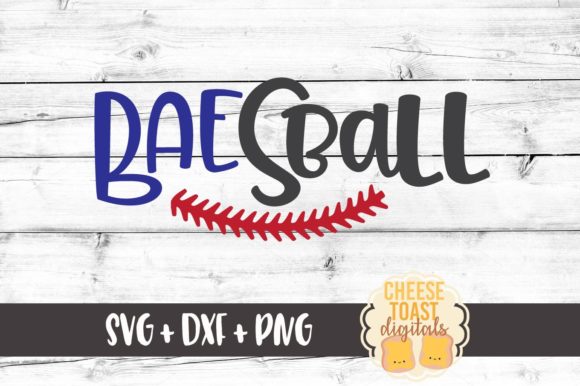
Baesball exudes a modern, handcrafted aesthetic that feels both contemporary and nostalgic. It leans into a stylized, almost illustrative approach that suggests a blend of creativity and simplicity. This makes it ideal for projects targeting younger audiences, crafters, or brands looking to add a touch of whimsy to their visual identity. The design elements feel cohesive, with clean lines and a strong visual presence that can easily translate into various formats like t-shirt designs, mug graphics, or social media posts.
For a client working on a seasonal campaign for an Etsy shop, Baesball could serve as a central motif, helping to unify the brand’s look across multiple products. Its versatility allows it to function as a standalone graphic or as part of a larger design system, making it a valuable addition to any creative marketplace product lineup.
Real-World Applications of Baesball
When considering real-world applications, Baesball proves to be a flexible graphic design asset. In logo design, it could act as a base element that’s easy to adapt for different brand identities. For brand identity projects, its bold nature could help establish a strong visual hierarchy, especially when paired with complementary fonts and color schemes.
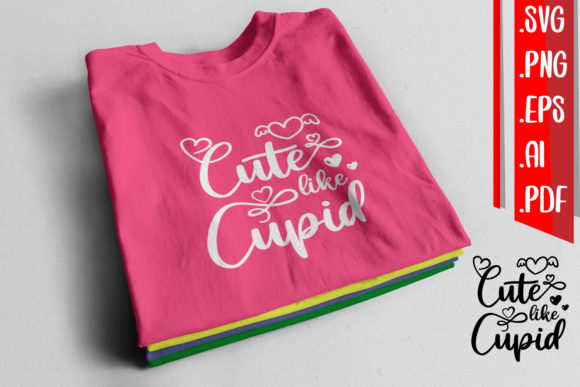
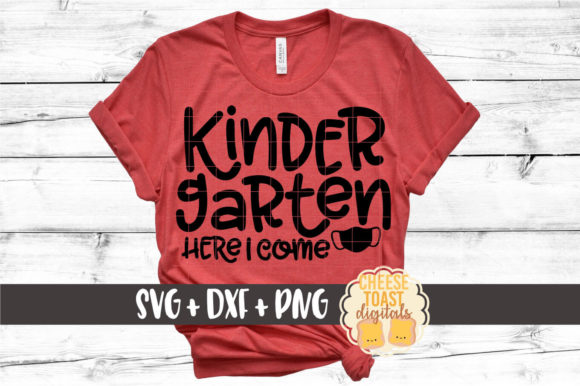
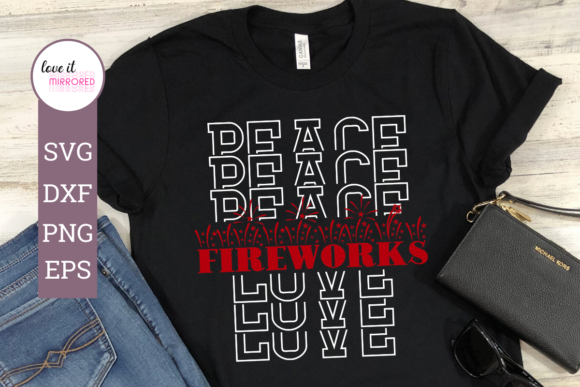
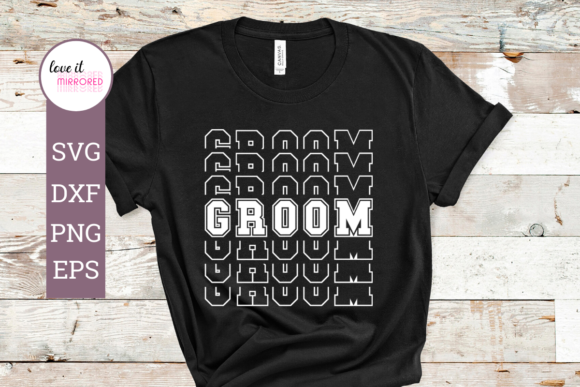
In packaging design, Baesball could be used as a decorative accent or a hero graphic, adding a unique flair to product labels or box art. For print-on-demand sellers, it offers a quick way to create eye-catching t-shirt designs, stickers, or wall art without the need for custom illustrations. Its SVG and PNG file formats make it easy to scale and integrate into Canva templates or Cricut projects, which is a big plus for designers who work with digital products and printable designs.
Best Use Cases for Baesball
Baesball shines in large layout areas where its boldness can be fully appreciated. It works well as a hero graphic for posters, flyers, or website banners. In product mockups, it adds a professional touch that elevates the final output, making it suitable for commercial design and handmade business branding.
It also excels in themed collections, such as sports-related merchandise or seasonal campaigns. As a supporting brand element, it can reinforce a design’s mood and tone without overwhelming the overall composition. For social media graphics, it provides a visually engaging backdrop that can be paired with text or other design elements to create compelling content.
Where to Use Baesball with Caution
While Baesball is a powerful design asset, it may not be the best fit for every project. In small sizes, its details can become lost, making it less effective for micro-designs like icons or buttons. In crowded layouts, it might clash with other elements, disrupting the visual hierarchy.
On complex backgrounds or low-contrast designs, Baesball could appear washed out or unclear. For minimalist branding or professional corporate materials, its bold style might feel too informal. Designers should consider the context carefully before integrating it into a more restrained or sophisticated visual language.
Impact on Readability and Brand Consistency
Baesball’s visual impact is undeniable, but its effectiveness depends on how it’s used. When placed thoughtfully, it enhances readability and helps establish a strong brand identity. However, if overused or improperly scaled, it can detract from the overall message or confuse the audience.
For a small business owner or a content creator, this means testing Baesball in various contexts. Previewing it at different sizes, on different backgrounds, and in real mockups is essential to ensure it meets the project’s needs. It’s also important to check contrast and legibility, especially when using it in conjunction with text or other design elements.
Practical Designer Notes
Before using Baesball for a client project, I recommend testing it in black and white to assess its structure and form. Checking its performance on light and dark backgrounds ensures it remains visible and effective in all environments. Previewing it at small and large sizes helps determine its scalability and usability in different formats.
If the design includes PNG transparency, inspecting that aspect is crucial for seamless integration into digital products or print-on-demand items. For SVG or vector files, verifying editability is key to ensuring flexibility in future design revisions.
Comparing Baesball with different font styles—such as serif, sans serif, script, or display fonts—can reveal how it interacts with typography and whether it complements or conflicts with the overall design. Confirming the commercial license is also a must, especially when using it for a client or business project.
Conclusion: Baesball as a Creative Asset
Baesball is a versatile graphic design asset that can enhance a wide range of creative projects, from handmade businesses to digital sellers. Its bold, playful style makes it ideal for crafts, social media graphics, and print-on-demand products. However, its effectiveness depends on thoughtful application and careful consideration of the project’s requirements.
For designers looking to expand their design bundle or add value to a creative marketplace product, Baesball offers a solid foundation. Whether used in a Cricut project, a Canva template, or a packaging design, it brings a fresh, dynamic energy that can elevate a project’s overall look and feel.