Happy - Ornament Design: Graphics for Crafts
As a brand designer, I always look for graphic design assets that can elevate a small business’s visual identity without overwhelming it. Happy - Ornament Design is one such asset that offers both aesthetic appeal and practical use for local business branding, product packaging, and promotional materials.
The First Impression: A Warm and Playful Mood
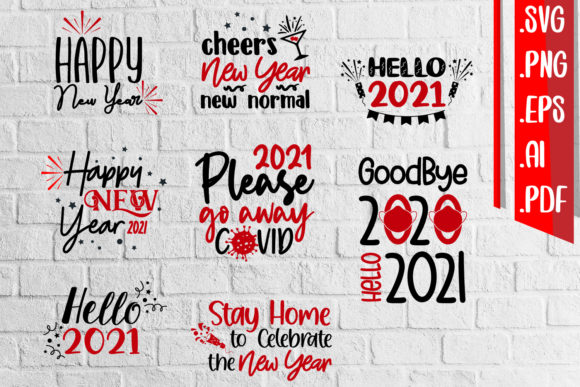
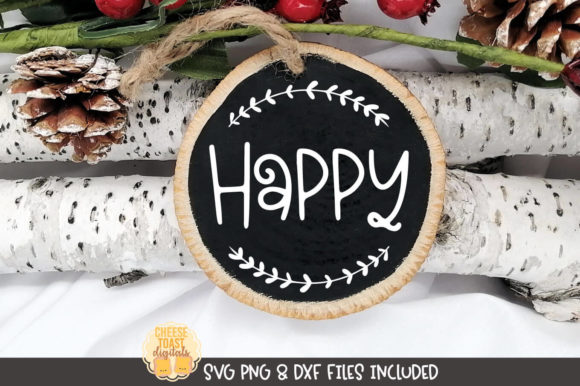
Happy - Ornament Design immediately conveys a sense of warmth and playfulness. The design feels friendly and approachable, making it ideal for businesses that want to communicate joy, celebration, or a lighthearted personality. It suggests a brand that values creativity, community, and emotional connection with its audience.
This ornament design could work well for a bakery, a handmade soap business, a children’s product brand, or a seasonal campaign. Its style leans toward festive and decorative, but it also has the versatility to be adapted into more subtle applications for everyday branding needs.
Real-World Applications for Local Business Branding
Happy - Ornament Design is a flexible graphic design asset that can be used across multiple touchpoints in a small business’s marketing strategy. Whether you're designing a logo, product label, or social media graphic, this asset can add a unique visual element that supports your brand identity.
- Logo Design: Use it as a subtle icon or background element to reinforce a brand’s personality.
- Packaging Design: Add it as an accent on product boxes, bags, or labels to create visual interest.
- Product Labels: Ideal for handmade or seasonal products where a decorative touch enhances the overall presentation.
- Social Media Graphics: Incorporate it into banners, post headers, or story templates to maintain a cohesive aesthetic.
- Printable Design: Perfect for thank-you cards, stickers, or promotional inserts that align with your brand’s tone.
Its vector format (SVG and DXF) makes it easy to scale for different sizes, while the PNG version ensures compatibility with digital platforms like Canva or social media.
Supporting Business Presentation and Brand Identity
Using Happy - Ornament Design can help strengthen a business’s first impression and improve customer recognition. When integrated thoughtfully, it contributes to a clearer visual hierarchy, ensuring that key brand elements stand out without clutter.
This design asset also supports consistent brand identity across all marketing channels. Whether it's on a product mockup, a flyer, or a website banner, it reinforces the same mood and message, building trust with customers over time.
For small business branding, especially in the crafts and handmade sectors, Happy - Ornament Design adds a professional touch that elevates the perceived value of a product. It can make packaging more eye-catching on shelves and help differentiate a brand from competitors.
Where Happy - Ornament Design Works Best
Happy - Ornament Design shines in applications that benefit from a decorative, yet not overpowering, visual element. It works best in:
- Product Labels: Adds a personalized touch to handmade items or seasonal goods.
- Packaging Accents: Enhances the look of gift boxes, tote bags, or reusable containers.
- Hero Graphics: Ideal for landing pages, social media posts, or email campaigns.
- Seasonal Campaigns: Perfect for holiday promotions, limited edition releases, or themed events.
- Social Media Graphics: Boosts engagement with visually appealing content that aligns with brand messaging.
It also serves as a great foundation for creative entrepreneurs looking to build a cohesive brand aesthetic across multiple platforms.
Where to Use It Carefully
While Happy - Ornament Design is versatile, there are situations where it may not be the best fit. Avoid using it in:
- Formal Corporate Branding: It may feel too playful for a high-end or professional setting.
- Very Small Labels: The detail might get lost when scaled down.
- Crowded Product Packaging: Overloading the design with too many elements can confuse the viewer.
- Legal Information Areas: Text-heavy sections need clear, readable fonts rather than decorative graphics.
- Low-Contrast Backgrounds: Ensure the design stands out against the chosen color scheme.
It’s also important to consider how it interacts with other design elements, like fonts or brand colors, to maintain balance and clarity.
Practical Designer Notes for Happy - Ornament Design
Before finalizing any use of Happy - Ornament Design, I recommend testing it in real-world scenarios. Here are some practical steps to take:
- Test on Real Packaging Mockups: See how it looks on different materials and sizes.
- Check Black and White Usage: Ensure it remains legible and effective without color.
- Preview on Small Labels: Confirm it doesn’t lose detail when scaled down.
- Test with Brand Colors: Make sure it complements your existing palette.
- Compare with Competitor Packaging: Ensure it stands out without being overwhelming.
- Check Print Quality: Verify that the design translates well to physical prints.
- Review PNG Transparency: Ensure it works seamlessly on various backgrounds.
- Inspect SVG or Vector Editability: Confirm it can be customized if needed.
- Test Beside Different Font Styles: See how it pairs with serif, sans serif, script, or display fonts.
- Confirm Commercial Licensing: Ensure it’s suitable for client work, business branding, or product sales.
These steps will help ensure that Happy - Ornament Design is used effectively and professionally in any small business project.
Conclusion: A Versatile Asset for Creative Businesses
Happy - Ornament Design is a valuable graphic design asset for local businesses looking to enhance their branding, packaging, and promotional visuals. Its friendly, playful style makes it ideal for handmade, seasonal, or community-focused brands.
Whether you're a boutique owner, a food business, or a creative entrepreneur, this design can help you create a stronger visual presence and connect more deeply with your audience. With proper application and thoughtful integration, Happy - Ornament Design can become a key part of your commercial design strategy.